
 631322687
22 items
6h31m
EN
Iron is crucial for blood health, cognitive function, and immune responses. It plays a fundamental role in the production of hemoglobin, which is necessary for transporting oxygen in the blood. Iron is also essential for proper brain development and functioning, influencing cognitive abilities and behavior. However, iron deficiency affects 1 in 3 people globally, with up to 95% of children under five in some countries suffering from iron deficiency anemia (IDA). This widespread deficiency is particularly alarming in developing countries where malnutrition is prevalent. The condition can severely impact cognitive development, leading to learning difficulties and decreased academic performance. It can also affect motor skills, causing delays in physical coordination and growth. Additionally, iron deficiency compromises the immune system, increasing susceptibility to infections and illnesses. Therefore, early identification and treatment are vital to mitigate these adverse effects and ensure children achieve their full developmental potential. Healthcare professionals must prioritize screening and intervention to address this critical public health issue effectively.

 Cute adorable Caucasian kid boy sitting on bed drinking milk from kids bottle. Healthy eating drinking for children. Supplementary food for growing babies. Candid real authentic moment.
Healthcare professionals play a pivotal role in managing iron deficiency in children through supplementation, dietary modification, and fortification. Daily iron supplements can significantly reduce the risk of iron deficiency anemia but often cause gastrointestinal issues, making them less suitable for some children.
Dietary iron fortification is a powerful long-term strategy. Clinical evidence shows that iron-fortified formulas significantly reduce the likelihood of iron deficiency compared to non-fortified options. Enhanced absorption through heme iron and the inclusion of vitamin C and prebiotics help maintain a healthy gut microbiome and prevent adverse effects associated with iron supplementation.
Encouraging the consumption of iron-rich foods such as meat, fish, poultry, and fortified cereals is essential. Healthcare professionals should guide parents on effectively incorporating these foods into their children’s diets. Prebiotics and probiotics can enhance iron absorption and support gut health, mimicking beneficial microbial patterns seen in traditional diets.
Iron deficiency remains one of the most prevalent nutritional concerns in early childhood, with consequences that extend well beyond blood health into long-term neurodevelopment. Research presented at the 57th ESPGHAN Annual Meeting highlights how insufficient iron status during critical periods of brain growth can lead to lasting cognitive and behavioral challenges, particularly among children under five years of age.
Low birth weight infants represent a key at-risk group requiring closer monitoring and targeted intervention. Clinical evidence from observational research and intervention trials supports the use of iron supplementation in these populations, though healthcare professionals must carefully balance the benefits of correcting deficiency against the risks associated with excessive iron intake.
Breastfeeding, delayed cord clamping, and targeted dietary strategies all play a meaningful role in supporting early iron status and reducing the likelihood of deficiency. Healthcare professionals are well positioned to guide parents on these approaches, helping translate the evidence into practical feeding advice that supports healthy development from the earliest stages of life.
 family doctor pediatrician conducts examination of child boy and giving high five to him
Related Content
- Items
- Collections

Local insights on at-risk anemia: Findings from PANT study in Northeast Thailand
webinar
15m
en

Not completed
Bridging Science and Practice: Is Iron Essential for Cognitive Development and Growth?
webinar
31m
en

Not completed
Combating iron deficiency anemia: SEA perspectives on screening and management in young children
webinar
22m
en

Not completed
Iron deficiency and its impact on the developing brain

Nutritional strategies to enhance iron absorption

Tackling Iron Deficiency in Early Childhood

Reality check: deficiencies in the Middle East and role of YCF

The role of dietary iron fortification in managing iron deficiency and iron deficiency anemia in early life
infographic
10m
en

Not completed
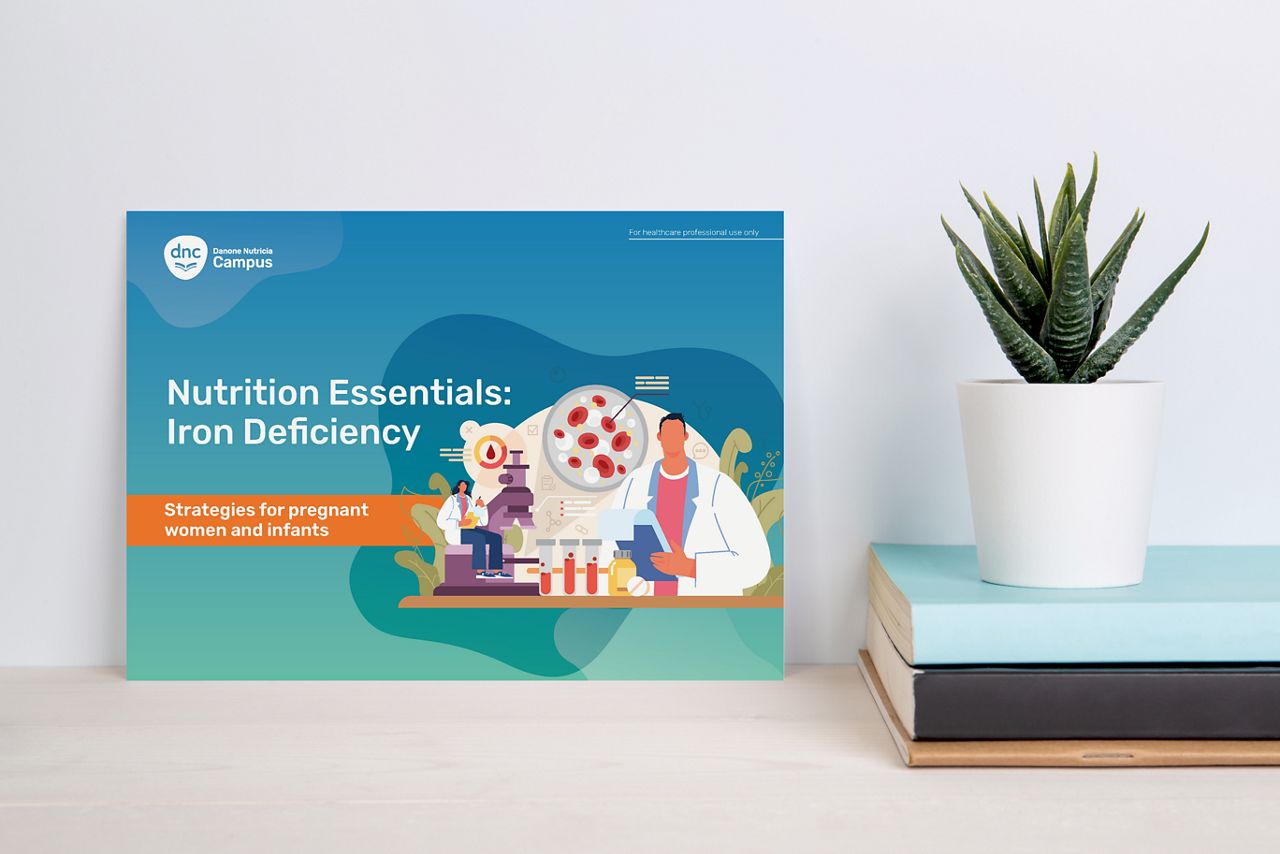
Nutrition essentials: Iron deficiency
expert-session-management-iron-deficiency-anaemia
missOrigin
webinar
31m
en
es

Not completed
practical-measures-growth-nutritional-status
missOrigin

spotlight-biotics

spotlight-c-section
11 items
en

2x
1x
1x
1x
1x
5x
Not completed
PPPP 2026
3 items
en

Not completed