Are you a healthcare professional?

This website contains scientific and medical information intended only for healthcare professionals.

Understanding Pediatric FGIDs

Pediatric Functional Gastrointestinal Disorders (FGIDs) are among the most common gastrointestinal conditions seen in infancy and early childhood. These disorders are characterised by chronic or recurrent gastrointestinal symptoms without an identifiable structural or biochemical cause, and commonly include regurgitation, infantile colic, constipation, and functional diarrhea. As a healthcare professional, you play an essential role in helping families recognise, understand, and manage these symptoms during a critical stage of infant development. This page brings together practical, evidence-based resources designed to support you with the latest clinical guidance, nutritional strategies, parental reassurance techniques, and insights into the relationship between gut health, microbiota development, and long-term wellbeing in infants and young children.

 

Mother holding and feeding baby from bottle Mother holding and feeding baby from bottle

The development of the gastrointestinal tract during infancy has a significant impact on digestive, immune, and metabolic health later in life. As a HCP, understanding the physiological maturation of the infant gut can help you better distinguish between functional gastrointestinal symptoms and conditions requiring further investigation. This resource explores the prevalence, causes, and management of common FGIDs, including regurgitation, infantile colic, constipation, and feeding-related gastrointestinal discomfort. It also highlights the important role of breastfeeding, gut microbiota development, and nutritional interventions in supporting gastrointestinal health and improving family quality of life.


>> EXPLORE THIS RESOURCE TO GAIN PRACTICAL INSIGHTS INTO RECOGNISING AND MANAGING FGIDS IN INFANTS AND YOUNG CHILDREN.


Father feeding baby with a baby bottle happy young father feeding cute baby boy with milk from baby bottle

Doctor pediatrician examines the baby tummy Doctor pediatrician examines baby tummy

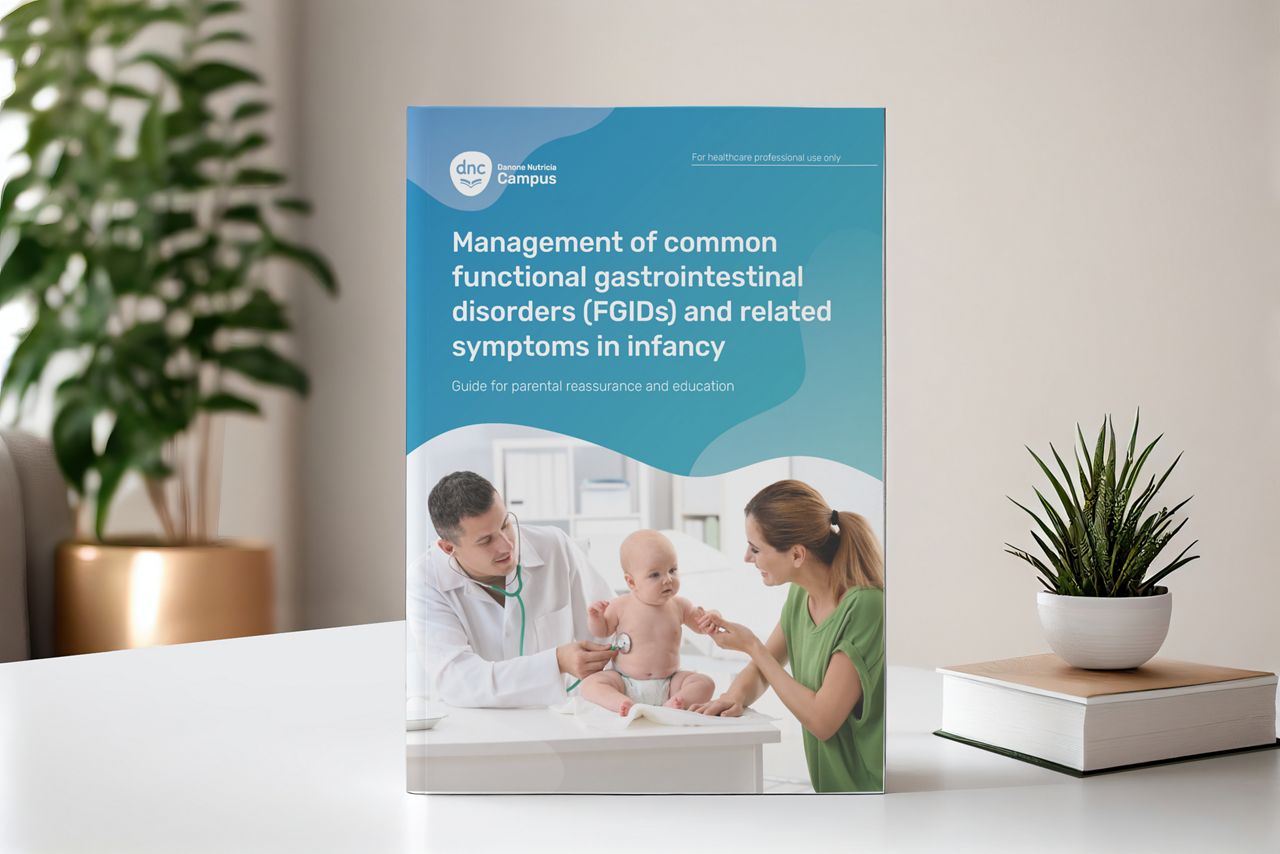
Parents frequently seek reassurance and support when infants present with gastrointestinal symptoms such as reflux, excessive crying, or constipation. As a HCP, your ability to provide clear education, practical feeding advice, and evidence-based reassurance can help reduce parental anxiety and avoid unnecessary pharmacological treatment. This guide focuses on first-line management strategies for common FGIDs, emphasising the importance of breastfeeding support, nutritional management, and family-centred care. It also provides practical approaches for managing regurgitation, infantile colic, and constipation while supporting parent confidence and improving infant comfort.


>> READ THE GUIDE TO DISCOVER PRACTICAL TOOLS AND EVIDENCE-BASED APPROACHES FOR SUPPORTING FAMILIES MANAGING INFANT FGIDS.


Many infants presenting with gastrointestinal symptoms may show overlapping features of functional gastrointestinal disorders and non-IgE mediated cow’s milk allergy (CMA), making diagnosis and management particularly challenging. As a HCP, recognising red flags, understanding symptom overlap, and applying appropriate elimination and reintroduction strategies can help improve diagnostic accuracy and patient outcomes. This resource explores the clinical similarities between FGIDs, reflux, constipation, colic, and CMA, while also providing practical dietary and clinical management recommendations for both breastfed and formula-fed infants.


>> DISCOVER PRACTICAL GUIDANCE ON DIFFERENTIATING FGIDS FROM COW’S MILK ALLERGY AND SUPPORTING APPROPRIATE NUTRITIONAL MANAGEMENT IN INFANCY.


Closeup of infant drinking milk or water baby bottle Little African American child drinking from baby bottle

Related Content

Get the best experience

Benefits of a free account

  • Get personal recommendations
  • Track your progress, add bookmarks and browse your history
  • Download and print content
  • Participate in courses for accreditation
  • Event registration and coverage
  • Exclusive community sessions and content
  • Stay up to date with our newsletter
x