
 Cute little baby boy in hooded towel after bath
152 items
79h59m
EN
The first 1000 days of life are critical for the development of the infant gut microbiota and immune system. As a HCP, recognising factors that may disrupt microbiota balance — such as C-section birth, antibiotic exposure, or limited breastfeeding — can help guide early nutritional support strategies. This expert video explores how gut microbiota development influences immune resilience and long-term health outcomes, while also explaining the role of breast milk bioactive compounds and biotics in supporting infant gut and immune health. The resource highlights how different types of biotics may help support infants when exclusive breastfeeding is not possible.
 Doctor examining little baby with stethoscope in clinic. Baby health concept
 Biotics booklet
A healthy gut microbiota plays an essential role in digestion, immune system development, gut-brain communication, and metabolic regulation during infancy and childhood. As a HCP, understanding the wide-ranging functions of the gut microbiota can help you better appreciate how early nutrition influences both short- and long-term health outcomes. This infographic highlights the key roles of the gut microbiota and outlines how imbalances in microbiota composition have been associated with conditions such as allergies, infections, infantile colic, obesity, inflammatory bowel disease, and neurodevelopmental disorders. It also reinforces the importance of appropriate nutrition in supporting the development of a balanced microbiota after birth.
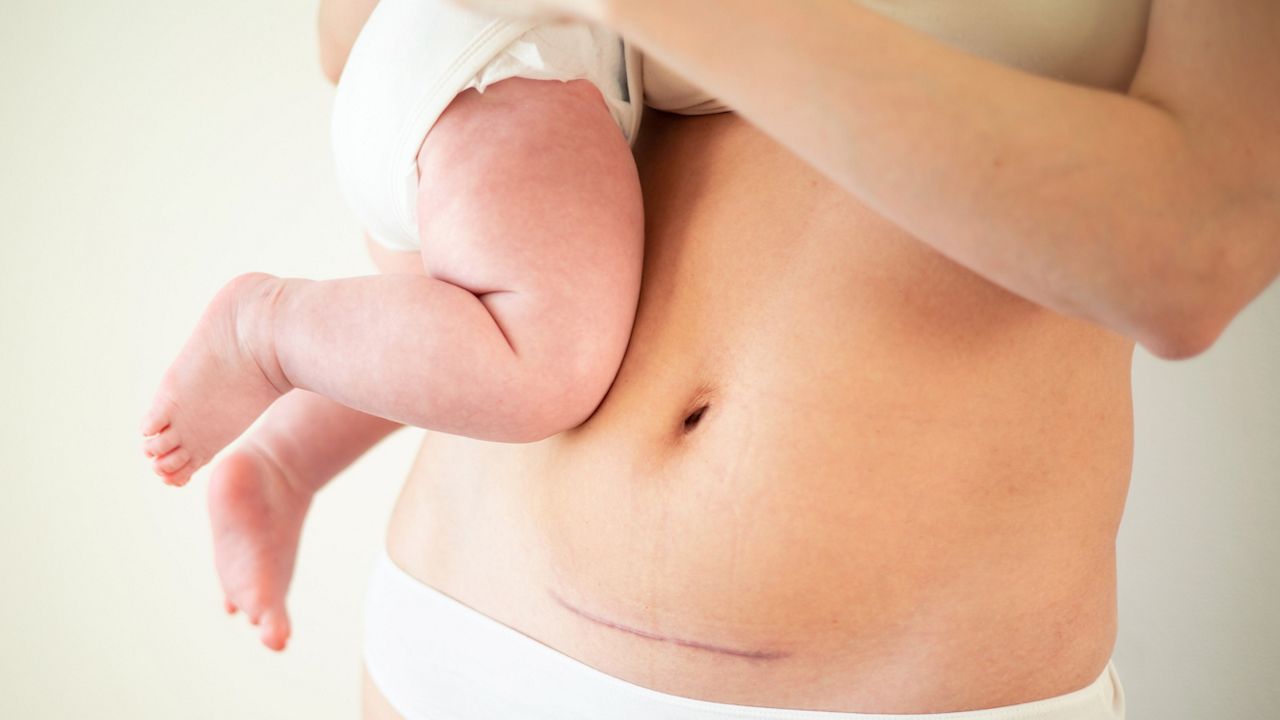
?qlt=85&ts=1781613170684&dpr=off) Closeup of woman belly with a scar from a cesarean section. Woman with baby on hand
Closeup of woman belly with a scar from a cesarean section. Woman with baby on hand
Related Content
- Items
- Collections
caesarean-section-what-we-know
missOrigin

simply-biotics-guide
missOrigin
La familia de los bióticos en los primeros años de vida
missOrigin
Nutrition essentials: C-section delivery
missOrigin
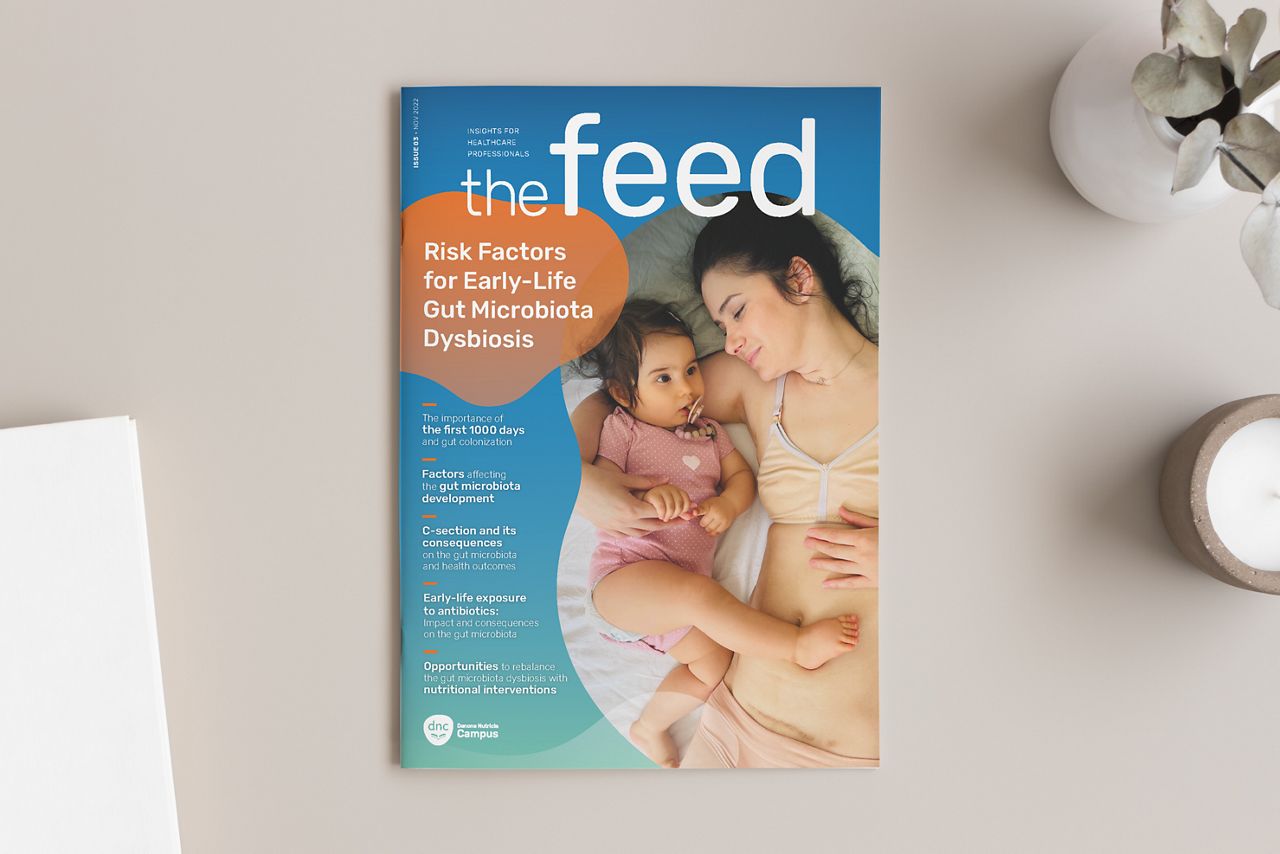
the-feed-early-life-gut-dysbiosis
missOrigin
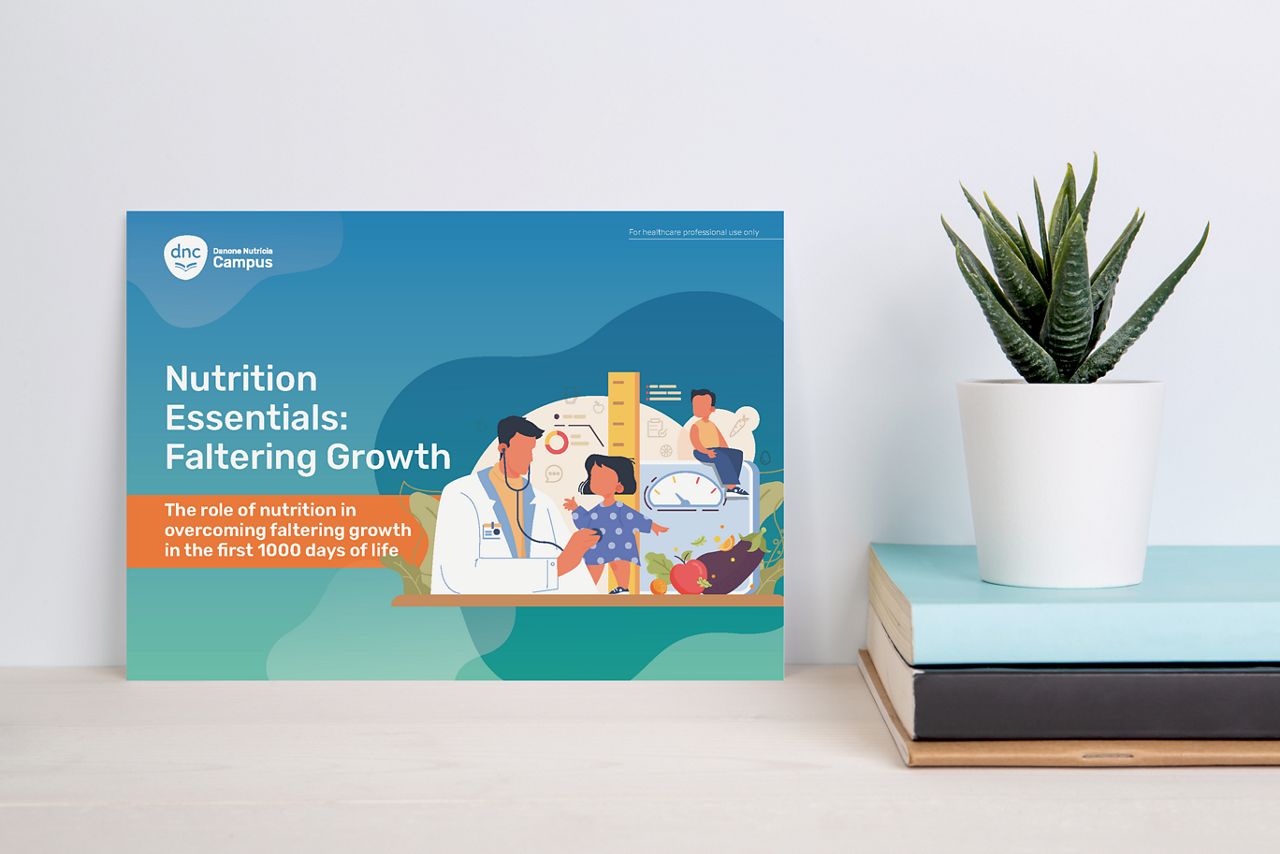
Nutrition essentials: Faltering growth
missOrigin
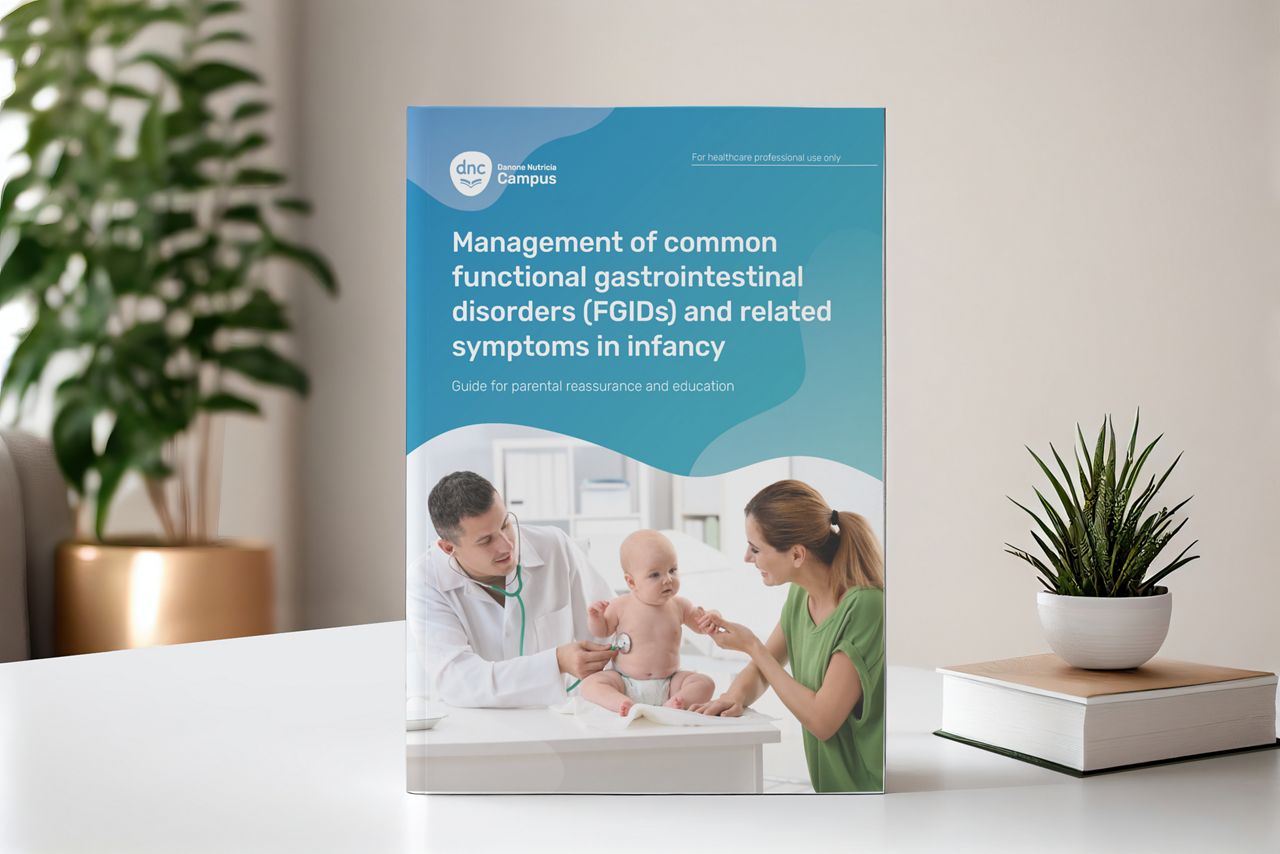
management-fgids-infancy
missOrigin
booklet
15m
pt
en
Not completed
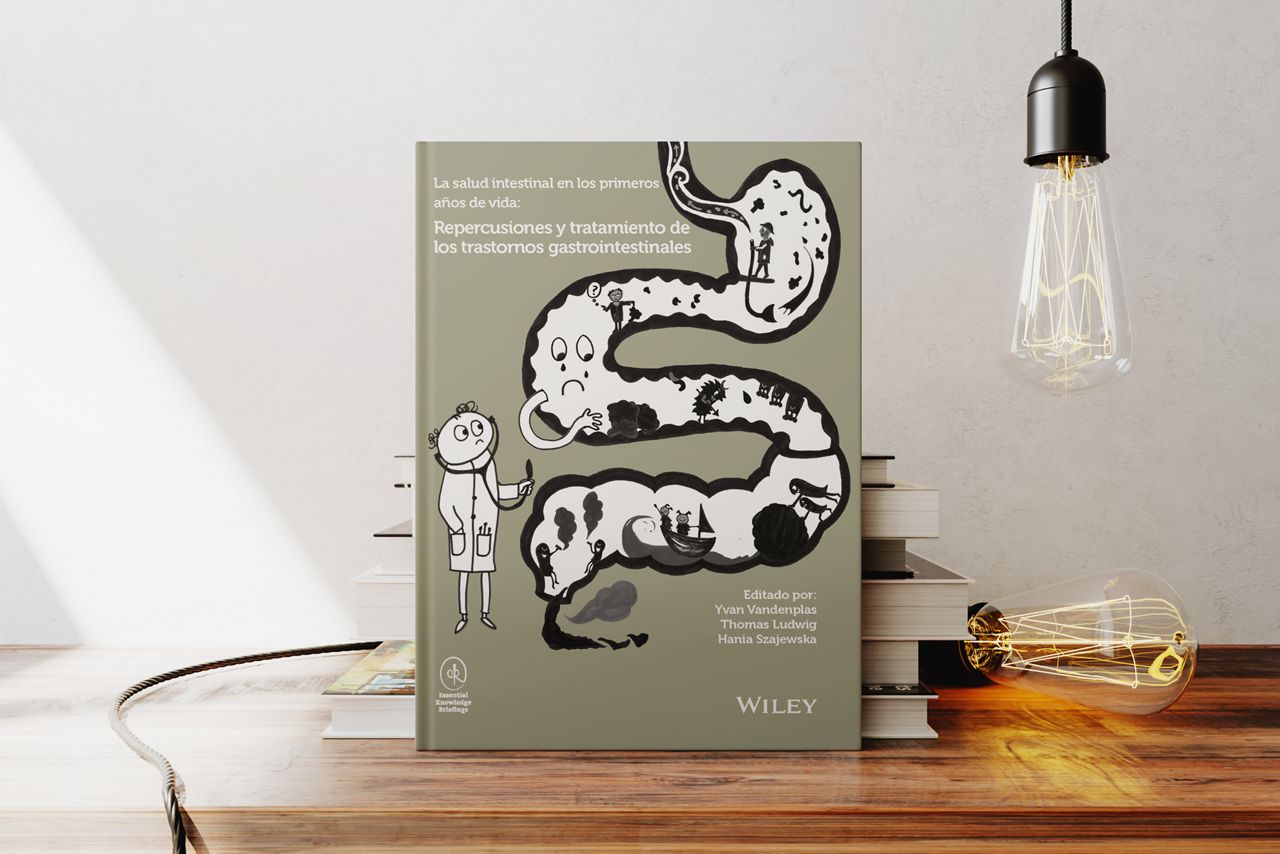
La salud intestinal en los primeros años de vida: Repercusiones y tratamiento de los trastornos gastrointestinales
missOrigin
book
240m
en
es
Not completed
simply-biotics-introduction
missOrigin

biotics-family-in-early-life
missOrigin
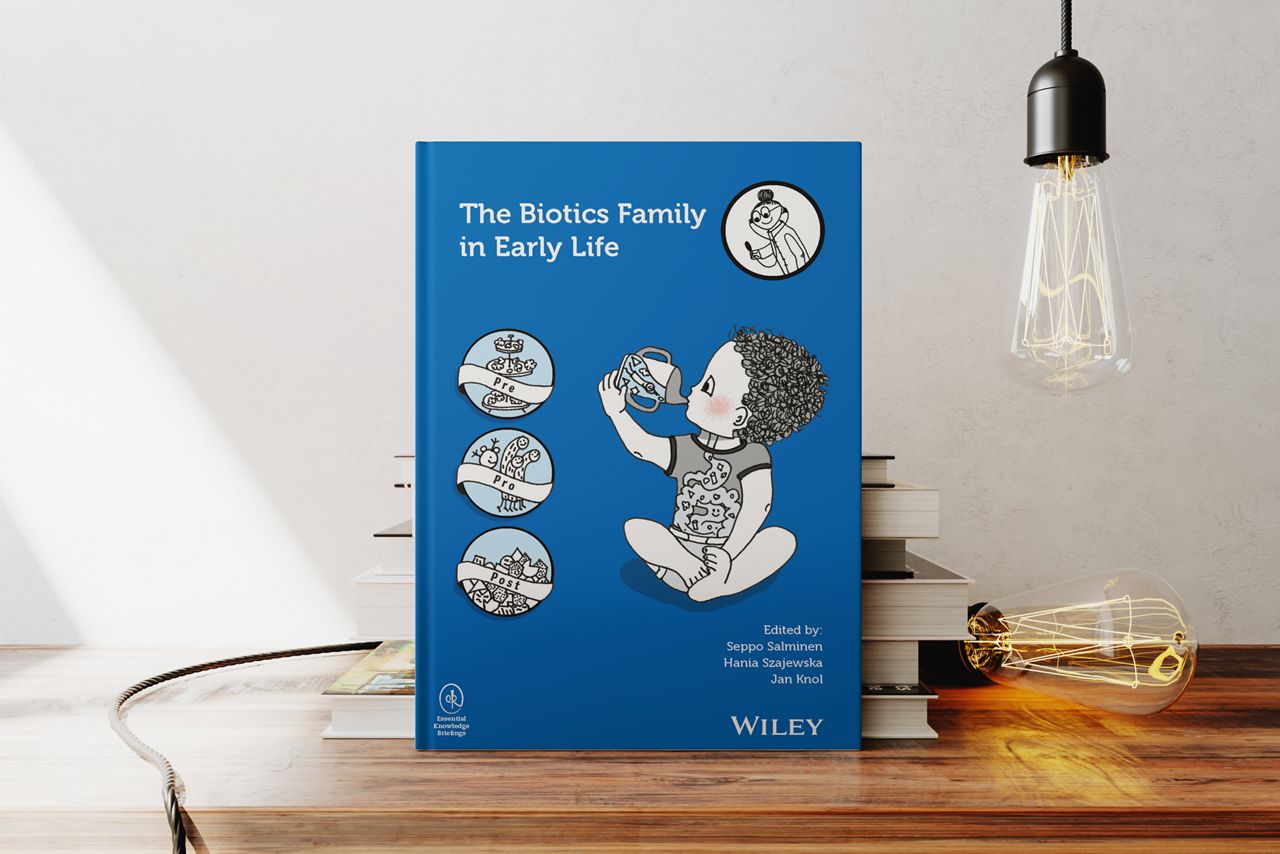
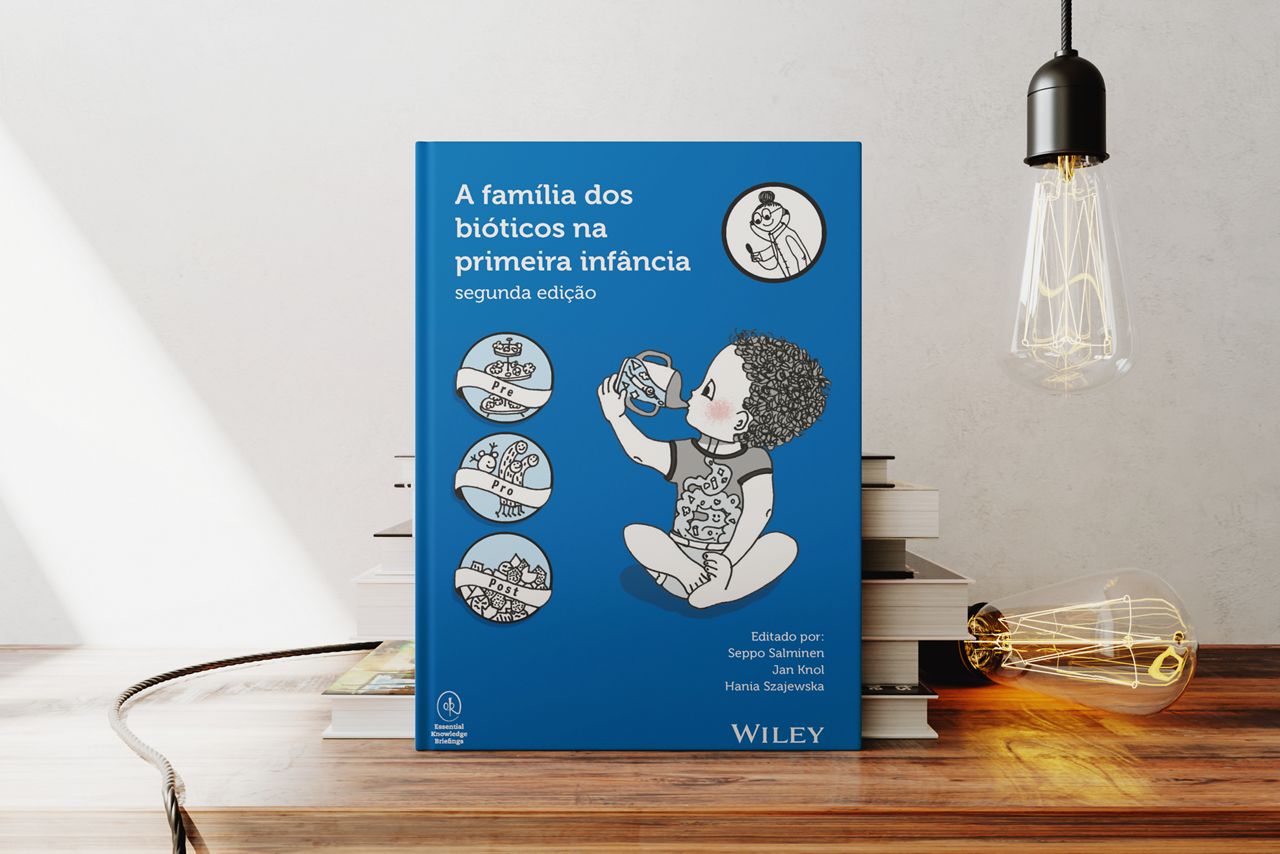
A família dos bióticos na primeira infância
missOrigin
spotlight-lipids
9 items
en

2x
1x
2x
1x
1x
2x
Not completed
spotlight-biotics

spotlight-c-section
11 items
en
2x
1x
1x
1x
1x
5x
Not completed
Spotlight on Malnutrition: Screening & Diagnosis for Vulnerable Populations
This collection focuses on the essential practices of screening and diagnosing malnutrition in at-risk populations. Explore targeted protocols and nutritional approaches across oncology, frailty, and pediatric care to enhance patient assessment and outcomes through early identification and intervention.
15 items
en

Not completed
PPPP 2026
3 items
en

Not completed