
 Teenage oncology patient talking with doctor. Oncologist treating teen girl with cancer and provide emotional support, helping her with anxiety and depression.
52 items
18h47m
EN
Cancer-related catabolism alters protein metabolism from the point of diagnosis. Malnutrition independently reduces treatment tolerance, increases complication rates, and shortens survival, yet nutritional screening remains inconsistently implemented across oncology settings.
The clinical consequences of delayed nutritional intervention include reduced chemotherapy and radiotherapy tolerance, increased post-operative infectious and non-infectious complications, prolonged hospital length of stay, and loss of lean body mass that limits further treatment options.
Early, systematic nutritional screening is the standard endorsed by international clinical guidelines. This booklet translates those guidelines into practical, patient-level nutritional targets across cancer types.
 Content for landing pages (6016 x 4016 px) - Cancer
 Comfort, senior couple and doctor in consultation, cancer diagnosis and empathy for medical condition. Support, elderly people and physician with bad news for disease, console or compassion in clinic
Nutritional screening and prehabilitation pathways, when embedded at protocol level, shift oncology nutrition from reactive to preventive. Audit data from leading cancer centres show that structured nutritional care pathways improve treatment tolerance and reduce avoidable clinical deterioration.
This webinar examines how data-driven strategies can identify gaps in current nutritional practice, and how dietitians, oncologists, and nurses can apply those findings to influence pathway design and organisational policy.
Recent systematic review and meta-analysis evidence shows high-protein oral nutritional supplements (HPONS, providing at least 20% of energy from protein) in adult cancer patients are associated with fewer infectious complications, fewer non-infectious post-operative complications, and shorter hospital length of stay.
No significant effect was observed for readmissions or mortality, an important boundary for setting realistic clinical expectations. The complication data are granular enough to inform departmental protocol and formulary decisions.
 Tablet, nurse and woman with cancer patient, elderly and hospital consultation for wellness. Tech, happy and medical professional with sick senior person coughing for advice, healthcare or support
Related Content
- Items
- Collections

Integrating nutritional support into cancer care: the role of medical oncologists
webinar
25m
en

Not completed
Navigating Nutritional Guidelines in Oncology: ESPEN & ESMO Guidelines
webinar
21m
en

Not completed
Mastering the nutritional care for cancer patients: real-life case studies
webinar
24m
en

Not completed
Muscle matters: focus on protein gaps to enhance muscle health
webinar
17m
en

Not completed
Enhancing immunotherapy by addressing cellular energy demands
webinar
20m
en

Not completed
Head and Neck Cancer

Patient-centered implementation of nutritional care into the cancer journey
In this insightful webinar, Prof. Carla Prado explores how patient‑centered nutrition can reduce toxicity, protect function and improve quality of life across the cancer journey.
webinar
20m
en

Not completed
Optimizing cancer therapy through nutritional pathways: a case for change
webinar
16m
en

Not completed
Inspiration from the Netherlands: implementing systematic screening in a Dutch cancer center
webinar
15m
en

Not completed
High-protein oral nutritional supplement use in patients with cancer reduces complications and length of hospital stay: A systematic review and meta-analysis

Medical nutrition in oncology: A case for change to address unmet needs
webinar
20m
en

Not completed
spotlight-biotics

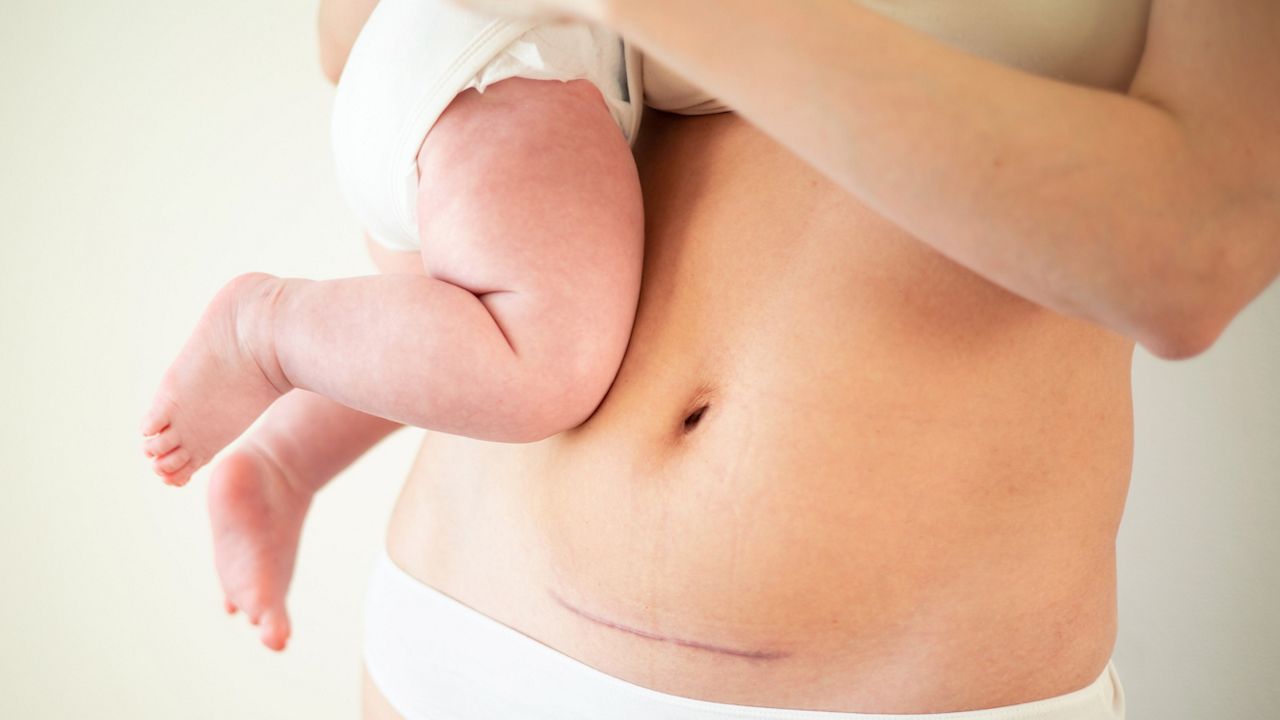
spotlight-c-section
11 items
en
2x
1x
1x
1x
1x
5x
Not completed
PPPP 2026
3 items
en

Not completed