
 Nurse administering liquid feed to patient with syringe
27 items
8h59m
EN
Confidence and competence in nasogastric tube placement are essential for ensuring safe and effective enteral nutrition delivery. This practical training resource provides healthcare professionals with step-by-step guidance on nasogastric tube insertion, placement verification, feeding administration, troubleshooting, and daily tube care. The session also highlights the clinical benefits of enteral nutrition compared with parenteral nutrition, including reduced infection risk, earlier recovery, improved gastrointestinal function, and potentially shorter hospital stays. In addition to technical guidance, the training explores common barriers to enteral nutrition implementation, including lack of staff experience, delayed nutritional intervention, and organizational challenges within hospital care pathways.
 Healthcare, black man and doctor with clipboard, diagnosis and conversation for results, smile and care. Male patient, guy and medical professional with documents, paperwork for insurance and talking
 Nurse administering enteral feeding to a patient in hospital
Long-term enteral feeding can be life-saving, but it may also bring emotional, social, and practical challenges for patients and caregivers. This patient interview explores the lived experience of enteral nutrition following treatment for head and neck cancer, including severe dysphagia, weight loss, fear of dependency, and adapting to life with a feeding tube. The discussion highlights how enteral nutrition supported recovery, enabled discharge home, and ultimately helped restore independence and participation in daily life. Importantly, the interview also emphasises the need for better patient education, psychological support, and improved communication about nutrition throughout the treatment journey.
Tube feeding can have a profound impact not only on physical health, but also on emotional wellbeing, social participation, and long-term quality of life. In this awareness-focused patient conversation, a long-term tube-fed patient shares his experience living with Crohn’s disease, short bowel syndrome, severe malnutrition, and long-term enteral feeding. The discussion highlights the emotional challenges patients may face, including fear, isolation, stigma, and uncertainty, while also demonstrating how timely nutritional intervention and appropriate support can significantly improve recovery, confidence, and independence. The conversation further reinforces the importance of listening to patients, providing accessible information, and encouraging earlier nutritional support when needed.
?qlt=85&ts=1781603308653&dpr=off) medicine, healthcare and people concept - female doctor with tablet pc computer talking to smiling woman patient at hospital
medicine, healthcare and people concept - female doctor with tablet pc computer talking to smiling woman patient at hospital
Related Content
- Items
- Collections

Nutrition essentials: Protein quality in medical nutrition
?qlt=80&ts=1754487585474&dpr=off)
The EFFORT Protein and PRECISe trials on protein dosing for critically ill patients
video
27m
en

Not completed
Targeting the gut microbiome with biotics in medical nutrition

Pioneering plant based medical nutrition evidence to improve patient outcomes
webinar
9m
en

Not completed
Nutrition support during acute stroke phase
webinar
16m
en

Not completed
Experience on Tube Feeding
In this video, Mr Cees Taai shares his insights from the patient's perspective on living with tube feeding and overcoming its challenges.

Fast Facts: Infant Faltering Growth
Infantile growth has been described as a “mirror of health,” with its measurement being an important and non-invasive tool reflecting health and nutritional status of an infant as well as the the quality of life of a population. Understanding and identifying when growth is faltering as well as its optimal management is crucial for preventing short-term and longer-term adverse consequences for patients. Professor Atul Singhal, Profession Koen Joosten, Professor Koen Huysentruyt and Dr Rosan Meyer have developed a CME accredited e-learning course designed to provide healthcare providers with an overview of faltering growth in infants and children under 2 years of age. The practical tool covers the presentation, identification and management of faltering growth in infants and children under 2 years of age and on completion of the training HCPs will be able to: define faltering, catch-up, accelerated and normal growth. explain the consequences of faltering growth on patients and their communities identify faltering growth, accelerated growth, and catch-up growth from example growth charts explain the recommendations for management of faltering growth This expert e-learning tool is offered by Karger Publishers and has been accredited by the European Accreditation Council for Continuing Medical Education (UEMS-EACCME®) with 1 European CME credit (ECMEC®). Please click on the link [below?] to access the accredited training and update your knowledge and clinical practice for faltering growth in the first 2 years of life.

Undernutrition increases healthcare utilization of children in the pediatric intensive care unit (PICU)
missOrigin
infographic
5m
en
ro

Not completed
Prioritising nutrition support in critical care patients throughout hospitalisation
webinar
16m
en

Not completed
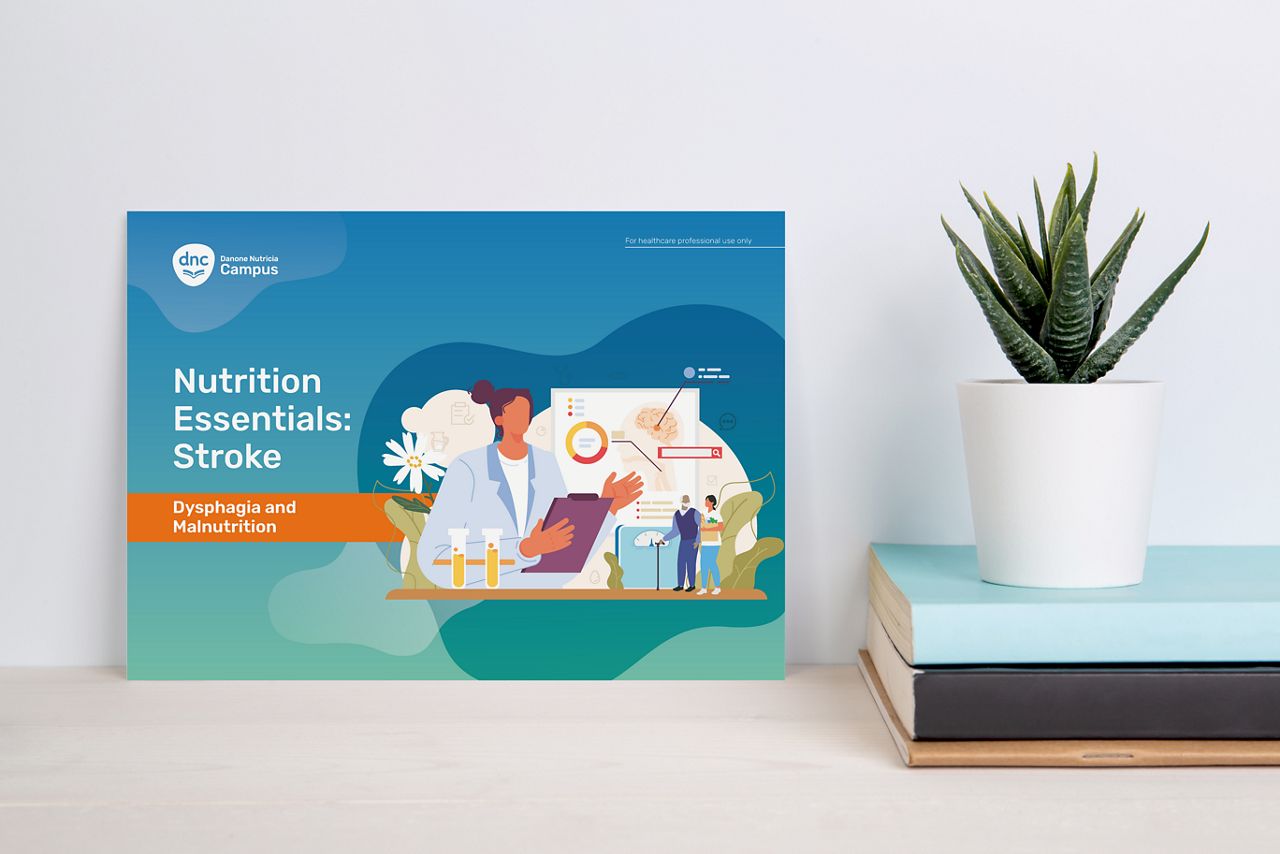
Nutrition Essentials: Stroke
Plant-based medical nutrition: An opportunity to individualize nutritional care by meeting patient needs, preferences and values
missOrigin

spotlight-biotics

spotlight-c-section
11 items
en

2x
1x
1x
1x
1x
5x
Not completed
PPPP 2026
3 items
en

Not completed